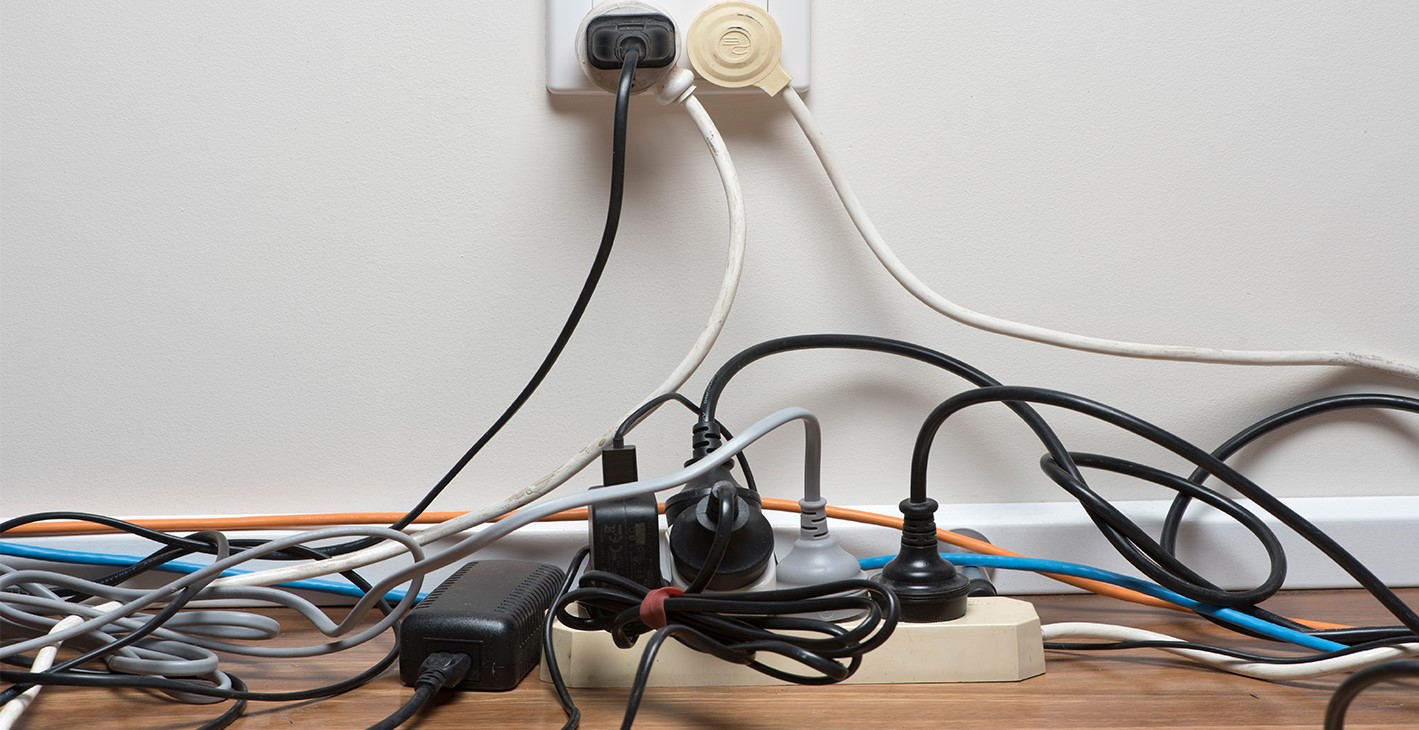
When discussing the potential dangers of overloading extension leads, we just have to look at the facts. There are 28,000 electrical-related fire incidents reported each year in the United Kingdom. Unfortunately, one of the reasons for these incidents is overloading sockets which is plugging too many home appliances into one socket, thus, resulting in overheating. Overloading extension leads is just as dangerous as daisy chaining – where multiple devices are connected to accomplish cost-efficiency in energy transmission facilities.
Daisy chaining, as the name suggests, is wired in sequence together which creates a ring like the garland of the flower. But, don’t let the ‘flowery words’ get to you. Doing this action might lead to fire especially if the establishment is old or only has a few power sockets. Let’s see why.
To state the obvious, fire is the major danger of overloading extension leads and daisy chaining. This is because when you overload an extension lead, you are putting too much power through it (because a multitude of appliances is attempting to draw high levels of current simultaneously). In that context, it can lead to overheating and eventually melt the wires and start a fire.
Another danger to take note of is the damage to your connected appliances. Daisy chaining is one of the major sources of power surge, which increase your chances to carry out expensive repairs or replacements of the damaged machines. Broken plugs and sockets can also be a consequence of a daisy chain network.
Remember, a current is unable to exceed 13 amps. Or else, there’s a high chance that a fuse or a low-quality socket will blow. What’s more dangerous than this is when the extension leads are plugged into each other (daisy chaining). Just imagine that there’s exceeding 13 amps and there’s overpowering a single power outlet.
One of the many things you can do is by identifying how many devices you need to plug in and then choose an extension lead or a power strip that is rated for that many devices. It’s also important to check the current rating of the extension. Generally, some extension leads are rated 13A to 10A or less. You may check the rating on the back or side of the product, or even refer to the instructions of the manufacturer.
If you were to overload the extension lead by exceeding the maximum number of appliances it can take, it will overheat and cause a fire. You may also check the wattage of your devices and make sure they are compatible with the extension lead you are using. As cost-effective as it may be, daisy chaining is not recommended for any establishment. Instead, plug a device directly into the wall outlet or use a single extension lead. And if you notice any frayed cords or broken plugs, replace the device immediately. Weymouthpattesting.co.uk is an essential aspect of ensuring your electrical appliances are safe to use. By conducting regular electrical safety checks, you can prevent the risks associated with overloading extension leads and daisy chaining